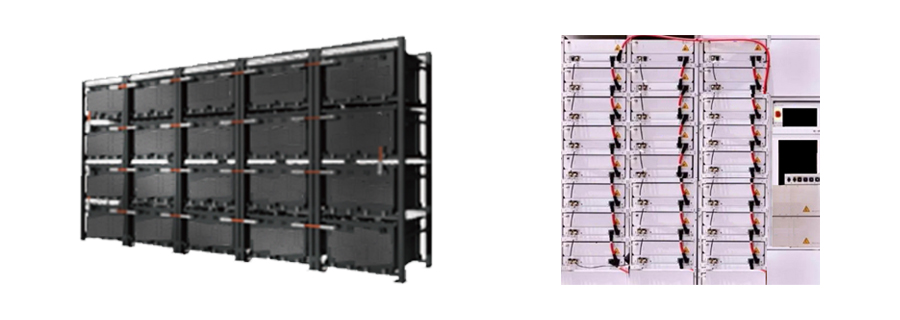

In fully electric ships propelled by pure lithium battery packs, the lithium battery system is the core energy hub that determines the ship's endurance, power response efficiency, and navigation safety.
Its design needs to be deeply adapted to the operational characteristics of high load, long cycle, and multi working conditions of the ship. The system usually uses high-energy density lithium iron phosphate or ternary lithium batteries as the core cells, forming a battery pack through modular series parallel connection, and integrating three key subsystems: battery management system (BMS), thermal management system, and safety protection system.
For example, ceramic coated membranes are used to block short circuits inside the battery cells, and an inert gas fire extinguishing system is used to quickly control the spread of thermal runaway. In addition, to meet the instantaneous high-power requirements of ship propulsion systems, lithium battery systems also need to have high rate discharge capabilities (usually requiring continuous discharge of 1C-3C and peak discharge of 5C or more). At the same time, through collaboration with ship energy management systems (EMS), energy allocation optimization with propulsion motors and auxiliary electrical equipment can be achieved.While ensuring stable power output, the range of a single charge can be maximized.
Currently, the capacity of mainstream pure electric ship lithium battery systems can reach hundreds to thousands of kilowatt hours, supporting uninterrupted operation of short distance passenger ships, port tugboats, inland river cargo ships and other scenarios throughout the day.